 Text: 941-666-4638
 Call: (941) 264-7770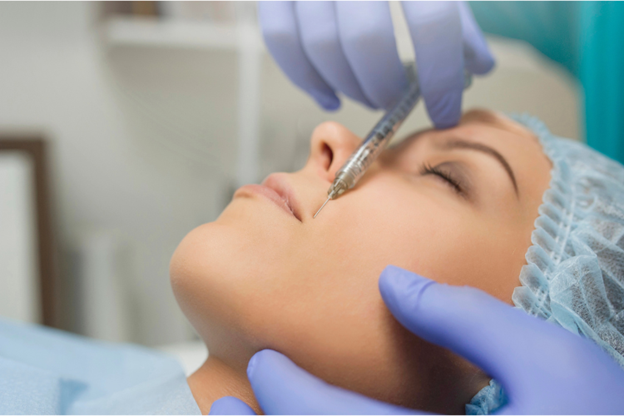
Injectable Fatigue Is Real: When Less Product Creates Better Results
For the better part of a decade, the cosmetic industry was governed by a pervasive, more-is-better philosophy that we could all see reflected on our television screens and smartphones.
As dermal fillers and neurotoxins like Botox became more mainstream, the collective goal encompassed a near-total erasure of lines and a dramatic amplification of volume.
But as we look around today, a contrary phenomenon has emerged in waiting rooms and on social media, which we commonly refer to now as injectable fatigue or filler fatigue.
If you look at the current influencers and celebrities, you’ll begin to notice a remarkable homogeneity in facial appearances; that is, everyone is starting to look the same.
Faces have become heavier, contours have blurred, and natural expressions have been replaced by a stiff aesthetic often dubbed “Instagram Face.”
In response, a growing movement of both injectors and patients is advocating for a return to restraint, balance, and facial integrity. Here’s what you need to know:
What Injectable Fatigue Actually Means
In practical terms, injectable fatigue occurs when the cumulative effect of years of fillers and neurotoxins begins to detract from a person’s appearance, from their natural beauty.
Physically, it can manifest as filler spread or filler migration, where product moves from its original injection site, leading to a loss of definition.
Anatomically, it can mean that the skin has been stretched by excessive volume for so long that it loses its natural snap-back.
Emotionally, it is the moment a patient looks in the mirror and realizes that, while they may have no wrinkles, they no longer look like themselves.
Why Over-Treating Became Common
The rise of over-treatment wasn’t an accident, as it was fueled by a perfect storm of digital trends and clinical habits. First up, social media filters created an impossible standard of poreless, lineless, and hyper-contoured skin.
Patients then began requesting specific features from what they’d seen online, like the “Russian Lip” or razor-sharp jawlines, without considering how those features integrated with their overall facial structure.
Furthermore, many patients fall into the maintenance trap: When you see your injector every three to four months like clockwork, it’s easy to ask for a top-off even if the previous product hasn’t fully dissipated.
Over time, these small additions add up to a significant and often distorting volume of product. Med spas and other providers began treating the face as a checklist of parts, i.e., lips, cheeks, and chin, rather than a cohesive, moving system.
Signs a Face Is Being Over-Injected
- Loss of Natural Animation: When someone smiles, their eyes should crinkle, and their cheeks should move upward naturally. Over-injection causes frozen-looking expressions or cheeks that look like hard shelves that don’t move with the rest of the face.
- Blurred Contours: One of the main goals of filler is to provide definition. However, too much filler eventually blurs the distinction between the cheekbones and the jawline, leading to a pillow-like appearance.
- The Sunset Look: When the under-eye area is overfilled, it can actually make the eyes look smaller, as if they are “setting” behind the volume of the cheeks.
- Lingering Product: We used to believe filler lasted six to twelve months. MRI studies now show that filler can persist for years. If a patient keeps adding product on top of an older filler that hasn’t moved, the face inevitably becomes heavy.
Also Read: Are You Using Too Much Filler? Understanding Balanced Facial Aesthetics
Using Less Product & Treating the Face as a System
Now we know that the most sophisticated results in modern cosmetic treatments are often achieved with the least amount of product. By using smaller, strategic doses, an injector can respect the natural anatomy of the face.
That’s because restraint allows the face to settle and age gracefully. When we use just enough product to provide support versus enough to create a new shape, the result is a face that looks like a well-rested version of itself.
This approach preserves the tiny imperfections that provide character and makes sure that your friends notice you look great, but they can’t quite figure out why.
At the end of the day, better results come from understanding facial balance. The face is a dynamic ecosystem where muscle movement, fat pads, and skin quality all interact.
If you weaken a muscle with a neurotoxin in one area, another muscle will often compensate. If you add volume to the mid-face, it changes how light is reflected on the lower face.
A skilled injector will consider the face’s negative space, i.e., the shadows and transitions between features. They will prioritize the quality of the result over the quantity of the syringes, which can mean spacing treatments further apart or choosing a biostimulator that encourages the body to do the work by triggering natural production of collagen and elastin.
When It’s Time to Pause or Dissolve
Sometimes, the best treatment is no treatment at all. In 2026, we are seeing a significant rise in filler resets, where patients choose to dissolve years of accumulated product using the enzyme hyaluronidase.
Once the excess fillers are removed, the patient’s true features will reappear. From that clean slate, an injector can then apply a much smaller amount of product with modern techniques to achieve a far superior result.
Taking a treatment holiday or a maintenance break allows the tissues to rest and gives the injector a chance to reassess how the face is aging naturally.
Patients should be encouraged to consider a 10-year plan rather than a 10-minute fix to address filler fatigue. This means investing in skin quality through options, such as lasers, medical-grade skincare, and nutrition, to reduce the heavy lifting fillers are often asked to do.
Also Read: How to Choose the Right Medical Spa in Parrish for Your Skin Care Needs
Expertly Injected Dermal Fillers Near You
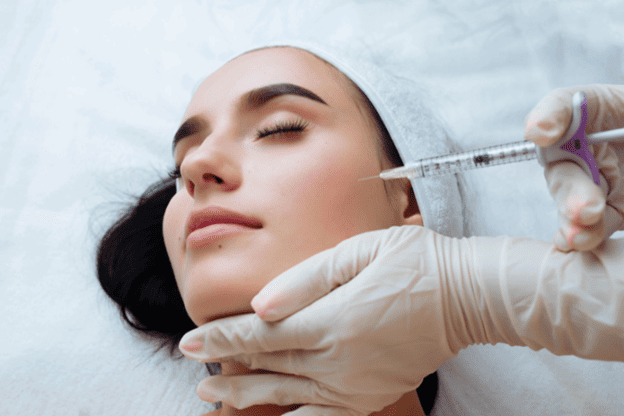
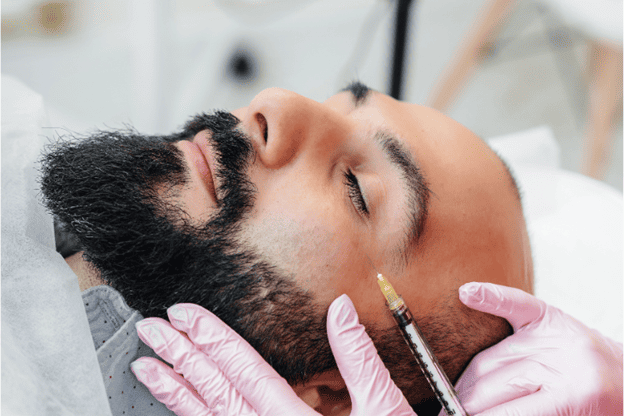
Ultimately, the most important aspect of any cosmetic treatment is the injector’s judgment. A syringe is just a tool, so the result actually depends most on the hand holding it.
An experienced injector has the confidence to say “not today” or “no” to a patient’s request if they believe it will lead to injectable fatigue. They customize plans based on the patient’s unique bone structure and lifestyle, rather than following a one-size-fits-all template.
Above all, they understand that a beautiful face is one that can still express joy, sadness, and surprise without appearing distorted.
Success in today’s cosmetic treatments shouldn’t be measured by how much volume we can add, but by how much confidence we can restore. In the end, a face that moves, ages naturally, and retains its unique identity is the most beautiful result of all.
Are you feeling “over-filled” or looking for a more natural approach? Book an appointment today at Elite Med Spa of Parrish and let’s discuss how a less-is-more strategy can restore your natural balance.