 Text: 941-666-4638
 Call: (941) 264-7770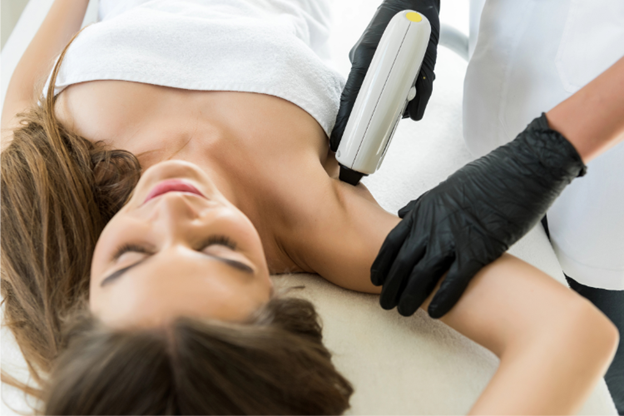
Laser Hair Removal for Sensitive Skin: What Makes the Difference?
For many would-be candidates, the dream of permanent hair reduction is often tempered by a significant fear: "My skin is too sensitive."
If you are someone who breaks out in hives from a new laundry detergent, turns bright red after a warm shower, or experiences prolonged irritation from a simple shave, the idea of a high-energy laser beam hitting your skin might not seem like a feasible option.
However, having sensitive skin does not mean you are a poor candidate for laser hair removal. In fact, many people with sensitive skin find that laser is actually the solution to their problems, as it eliminates the constant irritation caused by razors and waxing.
In case you’re wondering, laser hair removal is not a one-size-fits-all procedure. For reactive skin, the difference between a glowing result and a painful regret comes down to technology, technique, and a highly customized approach. Here’s what you need to know:
What “Sensitive Skin” Really Means
"Sensitive skin" is a broad umbrella term that encompasses several different physiological responses. To treat it safely, we must first understand what we are dealing with. Here are the common conditions that equate to sensitive skin:
Reactive Sensitivity: Skin that flushes easily or feels a stinging sensation when products are applied.
Inflammatory Conditions: Patients with a history of eczema, rosacea, or psoriasis often have a compromised skin barrier, making them more susceptible to external heat.
Post-Inflammatory Pigmentation (PIH): Some skin types are prone to leaving dark marks or "ghosting" after even minor irritation.
Skin Barrier Factor: Sensitive skin usually has a weakened moisture barrier. When this barrier is thin, the skin's nerve endings are more exposed, and its ability to regulate temperature is diminished.
Self-diagnosis often misses these nuances. A professional assessment is required to determine if your sensitivity is a temporary state, like a reaction to a new face cream, or a chronic condition that would require a specialized laser protocol.
How Laser Technology Affects Sensitive Skin
The magic of laser hair removal is a process called selective photothermolysis, wherein the laser targets the pigment (melanin) in the hair, converts that light into heat, and destroys the follicle.
For sensitive skin, the goal is to deliver enough heat to kill the hair without spilling that heat over into the surrounding skin tissue. Modern laser hair removal platforms have revolutionized this for sensitive patients through three main variables:
- Wavelength: Using the correct wavelength, such as Nd:YAG for deeper, safer penetration in darker or more sensitive skin, ensures the energy doesn't linger on the surface.
- Pulse Duration: By extending the time the laser delivers energy, we can heat the hair follicle more gently, keeping the skin surface cooler.
- Advanced Cooling Systems: Whether it’s a chilled tip that stays in contact with the skin or a cryogen spray that bursts cold air milliseconds before the laser fires, these systems effectively trick the nerves and protect the epidermis from thermal damage.
Skin Tone, Hair Type, and Sensitivity
There is a common misconception that sensitivity is only a concern for very fair skin. In reality, melanin levels play a massive role in treatment planning.
In darker skin tones, melanin in the skin can absorb the laser's energy, competing with hair for absorption. If a provider uses a setting that is too aggressive for sensitive, melanin-rich skin, the risk of burns or pigment changes increases.
Conversely, very fair-skinned patients with red undertones may be more prone to prolonged erythema or redness.
For sensitive patients of all tones, a conservative approach is almost always the way to go. Starting with lower energy levels and gradually increasing them as the skin proves its resilience ensures that we reach the goal without compromising skin health.The Importance of Proper Consultation and Patch Testing
For the sensitive-skinned patient, the consultation is the most important part of the journey because it’s more of a safety screening than a formality.
Certain medications like Accutane or specific antibiotics can make the skin photosensitive, meaning it will burn at energy levels that would normally be safe. During your consultation, your provider needs to learn about all medications you’re currently taking.
At your laser hair removal consultation, you must also disclose if you are using Retin-A, AHAs, or BHAs, as these thin the skin barrier and must be paused before treatment.
Remember that a reputable provider will always offer a patch test on a small, inconspicuous area. This allows us to see how your specific skin reacts over 24 to 48 hours before committing to a full session.
Cooling, Comfort, and Aftercare
If the treatment is the action, aftercare is the healing process for laser hair removal. For sensitive skin in particular, the 48 hours following a session are critical.
A good provider will apply a soothing agent immediately, usually something containing aloe vera, hydrocortisone, or a specialized post-laser balm. At home, sensitive patients should stick to bland skincare, aka no harsh chemicals.
Avoid hot showers, saunas, and intense exercise, all of which trap heat in the skin. Think of your skin as having a heat budget, and the laser uses a large portion of that budget, so you must keep the environment cool until the skin resets.
Also Read: Say Goodbye to Shaving: Why Laser Hair Removal Is the Best Long-Term Solution
Common Mistakes That Cause Reactions
- Aggression too early: Trying to get fast results by cranking up the power on the first visit.
- Sun Exposure: Treating skin that has been even slightly tanned. UV exposure puts the skin in a state of high alert, making a laser reaction almost certain.
- Ignoring the "No-Fly List": Using exfoliating scrubs or harsh loofahs too soon after a session.
Laser hair removal is a medical-grade treatment, and there are times when it isn't the right choice. If you are experiencing an active eczema flare, have an open wound, or are dealing with a viral infection like a cold sore in the treatment area, you must wait.
In rare cases of extreme physical urticaria (where the skin hives in response to heat or pressure), a provider may recommend alternative methods or a very specific antihistamine protocol before attempting laser treatment again.
Expert Laser Hair Removal at Elite Medical Spa of Parrish
Sensitive skin requires a partnership between the patient and the provider. It requires the patience to start slow, the technology to stay cool, and the wisdom to prioritize long-term skin health over immediate gratification.
When done correctly, laser hair removal is the ultimate gift for sensitive skin. It provides a life free from the cycle of bumps, rashes, and discomfort, leaving you with skin that isn't just hairless, but truly healthy.
Does your skin need a gentler touch? Schedule a specialized sensitive-skin consultation today at Elite Medical of Parrish Spa. We’ll perform a careful assessment and a patch test to ensure your path to smooth skin is as comfortable as it is effective.