 Text: 941-666-4638
 Call: (941) 264-7770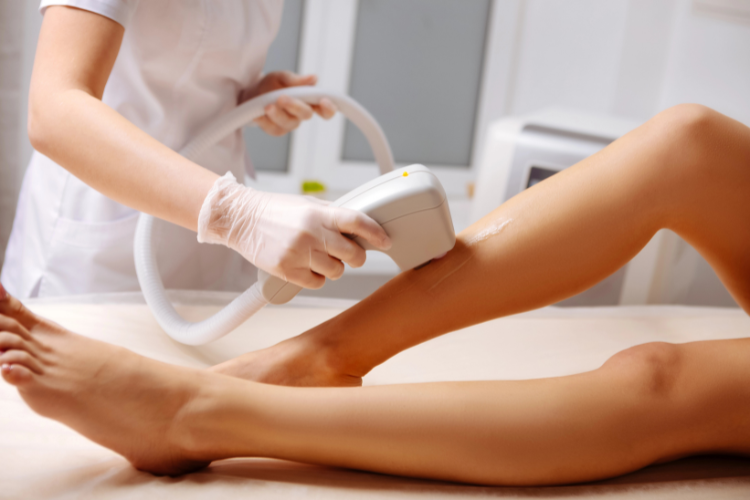
What Should You Avoid Between Laser Hair Removal Sessions?
An investment in laser hair removal is a commitment to smoother skin and a lifestyle free from the constant cycle of shaving and waxing. All good things. However, many of our patients at Elite Med Spa Parrish are surprised to learn that the work doesn’t end once they leave the treatment room. That is, what you do and more importantly, what you don’t do between your scheduled appointments is just as important to your long-term results as the laser technology itself.
Laser hair removal technology targets melanin in the hair follicle during its active growth phase. Because not all hairs are in this phase at the same time, multiple sessions are required to catch every follicle.
Your results will depend heavily on consistency and skin preparation. A common misconception is that laser hair removal is a set-it-and-forget-it treatment.
In reality, your skin is in a heightened state of sensitivity between sessions. Thus, small mistakes, such as a weekend of unprotected sun exposure or a quick waxing session, can reduce the laser’s effectiveness or, worse, cause skin damage.
If you want the best possible results, you need to adhere to the dos and don’ts of the recovery period. To help you navigate this process, we’ve compiled the ultimate guide on laser hair removal recovery tips and what to avoid to keep your skin safe and your results on track:
Avoid Sun Exposure and Tanning
If there is one rule that stands above all others in laser hair removal do’s and don’ts, it is this: avoid the sun.
Laser-treated skin is incredibly sensitive to UV exposure. The laser uses heat to disable the hair follicle, and adding solar heat on top of that can lead to significant complications.
If your skin is tanned, whether naturally or with a tanning bed, the laser may struggle to distinguish between the melanin in your hair and that in your skin. This increases the risk of:
- Hyperpigmentation: Dark spots that can take months to fade.
- Hypopigmentation: Light spots where the skin loses its natural pigment.
- Thermal Burns: Since the skin is already “warm” from the sun, the laser can over-index.
Think using self-tanning products is a safe loophole? Think again. Self-tanners contain chemicals that darken the skin’s surface. Even if it isn’t a real tan, the laser registers it as darkened skin. You should stop using self-tanners at least 2 weeks before your med spa session.
Do Not Wax, Pluck, or Thread
This is the most frequent mistake clients make. Between hair removal treatments, you will notice hair regrowing, which is actually the treated hair shedding. Your instinct might be to reach for the tweezers or head to your threading specialist. Do not do this.
The laser needs the hair follicle to be present in the bulb of the pore to work. When you wax, pluck, or thread, you are pulling the hair out by the root. If the root is gone, the laser has no target, and that session will be completely wasted on those follicles.
The only acceptable method for managing hair between sessions is shaving. Shaving is encouraged because it leaves the root intact while removing the hair shaft above the skin. In fact, most safe laser hair removal treatments require you to shave the area 24 hours before your appointment.
Avoid Certain Skincare Products on Treated Areas
Take a close look inside your bathroom cabinet before you choose skincare products after laser hair removal. Active ingredients that are great for anti-aging or acne can be disastrous on laser-sensitized skin.
Avoid using the following for at least 5-7 days before and after your treatment:
- Retinol/Retin-A: These thin the skin and increase photosensitivity.
- AHAs/BHAs: Glycolic, salicylic, and lactic acids can cause chemical irritation on top of the laser’s heat.
- Physical Scrubs: Harsh beads can create micro-tears in healing skin.
This is especially important for facial treatments. While the skin on your legs is thicker, the skin on your upper lip or chin is delicate and much more prone to laser burn if active skincare isn’t paused.
Also Read: Laser Hair Removal for Sensitive Skin: What Makes the Difference?
Skip Heat-Based Activities
For the first 24 to 48 hours after your session, avoid any activity that raises your body temperature or causes sweating. For example, stick to lukewarm water versus hot baths and showers to avoid further inflaming the follicles
Forgo saunas and the steam room, too, as these can trap heat in the skin and lead to a rash called folliculitis.
Intense workouts are also not recommended, since sweat contains bacteria that can irritate the open channels created by the laser.
Be sure to give your body a two-day rest period so that the heat from the laser has fully dissipated from the tissue.
Avoid Picking, Scratching, or Exfoliating Too Soon
About 5 to 14 days after your treatment, you will notice what appears to be stubble. This isn’t actually new growth; it is the dead hair being pushed out of the follicle in a process called shedding.
It can be tempting to pick at these hairs or scrub them away with a loofah. However, picking can lead to scarring or infection.
Let the hair fall out naturally. After the first week has passed, you can use a very soft washcloth and gentle circular motions to encourage shedding, but never force it.
Be Cautious With Medications and Supplements
Always disclose any medications you’re taking to your provider at your local med spa before your session begins. That’s because certain medications are photosensitizing, meaning they make your skin react more aggressively to light. You may need to forgo the following:
- Antibiotics: Many common antibiotics (like tetracycline) make laser treatments unsafe.
- Acne Medications: Accutane is a major contraindication; you must typically be off it for six months before starting laser hair reduction.
- Hormonal Treatments: These can affect hair growth cycles and may require your provider to adjust your settings.
Don’t Skip or Delay Scheduled Sessions
Timing is everything. Because we are targeting hair in the active growth phase, your sessions are timed to capture the next wave of growth.
Facial hair is usually treated every 4–6 weeks, and body hair is typically treated every 6–10 weeks.
If you wait too long between sessions, you miss the window where the follicles are most vulnerable. While life happens, try to stay within the recommended timeframe to avoid needing extra sessions in the long run.
Also Read: Say Goodbye to Shaving: Why Laser Hair Removal Is the Best Long-Term Solution
Don’t Assume Results Are Immediate
One of the most important laser hair removal recovery tips is a mental one: be patient. You will not be hair-free after session one. In fact, some people feel they have more hair because the shedding process appears to be growth.
Expect to see a 10% to 20% reduction in hair after each session. By session three, the results become much more obvious, with hair growing back thinner, lighter, and much more slowly.
What You SHOULD Do Between Sessions
- Wear SPF 30+ every day, even if it’s cloudy, on any treated area exposed to the sun.
- Use a fragrance-free, gentle moisturizer, such as aloe vera or Cetaphil, to keep the skin barrier healthy.
- Shave only when necessary with a clean, sharp razor.
- Stay hydrated, as healthy, hydrated skin heals faster and responds better to aesthetic treatments.
Safe Laser Hair Removal in Parrish
Laser hair removal is an investment in yourself. Don’t let a simple mistake like a tanning bed or a pair of tweezers get in the way of the smooth skin you deserve. If you have questions about your specific skin type or are looking for safe laser hair removal treatments in Parish, our team is here to guide you through every step of the process.
Ready for smooth, worry-free skin? Book an appointment at Elite Medical Spa of Parrish today to get started on your laser hair removal journey.