 Text: 941-666-4638
 Call: (941) 264-7770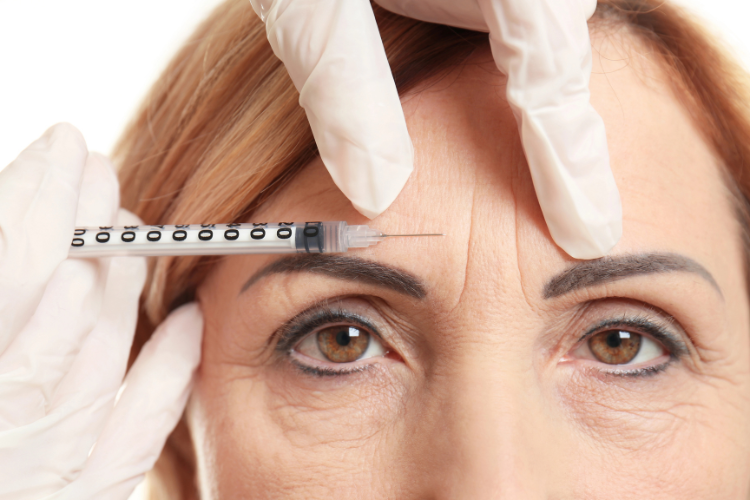
Is It Better to Start Botox Early or Wait Until Wrinkles Show?
When it comes to pushing back the clock, few topics spark as much debate with our patients as the “right time” to begin cosmetic treatments. And if you walk into any med spa, you are likely to hear a variety of opinions on the matter.
Many professionals and clients swear by the preventative approach, while others suggest waiting until the first signs of a line appear. The question of whether it is better to start Botox treatments early or wait has become a major focal point of modern beauty discussions.
With the meteoric rise in popularity of Baby Botox and preventative skincare trends on social media, the age at which most people seek their first injection is trending younger.
But is this a medically sound trend, or just a marketing push? To understand the answer, we have to look past the trends and dive into the science of how our skin ages. Let’s explore the question with expert answers:
Why This Question Comes Up So Often
The growing interest in preventative cosmetic treatments is driven by a shift in how we perceive aging. In 2026, we no longer wait for a problem to become severe before addressing it. Just as we use SPF to prevent sun damage before a burn occurs, many now view anti-aging injections as a proactive measure rather than a reactive one.
However, this has led to some confusion because there is a fine line between preventative Botox and unnecessary early treatment. Because timing matters more than a specific number on a birth certificate, patients often wonder: When should I start Botox for wrinkles?
To decide when to start, you must understand the two types of wrinkles: dynamic and static.
Dynamic wrinkles are the lines that appear when you make an expression, like the “11s” between your brows when you frown or the crow’s feet when you laugh. When the muscle relaxes, these lines disappear.
Static wrinkles, however, are the lines that remain on your face even when it is at rest. These form because of repeated muscle movement over decades, combined with the natural loss of collagen and elastin. As our skin thins, it loses the snap-back quality from youth, and eventually, those dynamic folds become permanent etches in the skin.
When we talk about Botox for early signs of aging, we aren’t talking about frozen faces or dramatic transformations. Preventative Botox usually involves lower doses or microdoses targeted at specific muscles that are particularly active.
The goal isn’t to stop aging entirely, which is obviously impossible, but to slow the transition from dynamic lines to static ones. By relaxing the muscle slightly, we reduce the wear and tear on the skin’s surface.
Also Read: Cosmetic Injectables: The Answers to Your Most Pressing Questions About Treatment
Benefits of Starting Botox Before Wrinkles Set In
There are several clinical advantages to starting wrinkle prevention before the lines are permanently visible, including:
- Preventing Permanent Etching: Once a wrinkle is static or visible at rest, Botox can soften it, but it may never fully disappear. Starting early prevents the crease from ever breaking the skin’s collagen structure.
- Maintaining Smoothness Longer: It is much easier to maintain smooth skin than to resurface skin with deep-set folds.
- Fewer Units Required: Patients who start preventatively often find they need fewer units over time because the muscles are trained not to over-contract.
- Subtle, Natural Results: Early treatment yields a more refreshed look rather than a “corrected” one.
When Waiting Can Still Make Sense
Despite the benefits of early treatment, facial rejuvenation is not a one-size-fits-all requirement. There are many reasons why waiting might be the better choice for you, like:
Low Muscle Activity: Some people simply aren’t super expressive with their faces. If you don’t find yourself squinting or frowning often, your risk of developing deep static lines early is much lower.
Lifestyle Factors: If you have an impeccable skincare routine, use daily high-quality SPF, and avoid smoking, your skin’s natural resilience will last longer.
Prioritizing Other Treatments: Sometimes, a chemical peel or medical-grade facial is more beneficial for a 22-year-old than a neurotoxin.
What Happens if You Wait Until Wrinkles Are Visible?
If you choose to wait until you see those lines in the mirror every morning, don’t worry; you haven’t missed the boat. However, your treatment plan will change.
When lines are etched into the skin, Botox acts as a softener. It prevents the muscle from worsening the wrinkle, allowing the skin a chance to heal.
However, for deep static lines, Botox alone might not be enough. You might require a combination of cosmetic injectables, such as dermal fillers to fill the crack, or laser resurfacing to smooth the skin’s texture.
Remember this: The best age to start Botox isn’t 25, 30, or 35. It is the age at which your skin begins to show its expression blueprint.
Genetics plays a massive role. If your parents developed deep forehead furrows in their early 30s, you likely have the same muscle structure and skin type.
A personalized assessment at a reputable med spa is the only way to determine your specific needs. An expert injector assesses your muscle strength and how your skin behaves when you talk and laugh, rather than just your ID.
Preventative Botox vs. Over-Treatment
A major concern for young patients is looking overdone, and justifiably so. This is where your injector’s skill becomes arguably the most important factor in the quality of your results.
More is not better when it comes to Botox. Over-treating a young face can lead to muscle atrophy or a heavy brow appearance. The vision we operate under for facial rejuvenation injectables at Elite Medical Spa Parrish is to maintain your natural expressions while softening the impact of those movements on the skin.
Think of Botox as one tool in a larger toolbox. For the most comprehensive anti-aging strategy, it should be paired with:
- Skincare: Vitamin C, Retinoids, and Sunscreen are non-negotiable.
- Energy-Based Treatments: Microneedling or RF treatments help maintain the collagen that Botox protects.
- Hydration: Both internal and topical hydration keep the skin plump and resilient.
How Do You Decide What’s Right for You?
So, how early can you get Botox? While the FDA approves it for ages 18 and up, most providers suggest looking for these signs:
- You notice a faint line that stays for a few minutes after you stop frowning.
- Your makeup starts to “cake” or settle into specific lines during the day.
- You have a family history of very deep, early-onset facial wrinkling.
If you don’t see these signs yet, you are likely fine to wait and focus on high-quality topical prevention.
Also Read: Top 5 Filler Treatments That Instantly Refresh Your Look
So, Is It Better to Start Early or Wait?
The takeaway is balanced: Timing should be individualized. Starting early is an excellent choice for those with high muscle activity or a genetic predisposition to deep wrinkling, as it is truly preventative in every sense of the word.
However, if your skin is smooth and your expressions are soft, there is no medical mandate to start in your early 20s.
The most successful outcomes come from a long-term, personalized plan. Whether you are looking for Botox to prevent wrinkles before they appear or to soften lines that have already arrived, a consultation with a reputable, skilled provider is your best first step.
Ready to see if preventative Botox is right for you? Contact us for facial rejuvenation injections at Elite Medical Spa of Parrish. Our experts will provide a customized skin analysis to help you decide if it’s time to start or if you’re safe to wait.