 Text: 941-666-4638
 Call: (941) 264-7770
How Dry Skin Affects Injectable Results
The online beauty world tends to portray Botox and dermal fillers as magic wands that can instantly erase years of aging. We also tend to focus on the skill of the injector, the type of product used, and the specific areas being treated.
But there is a silent partner in every successful result of these cosmetic treatments: the skin itself.
The condition of your skin, and more specifically, its hydration levels, is more impactful in the success of injectables than most people realize. While Botox targets the muscles and fillers target volume loss, both rely on a healthy canvas to look their best.
If your skin is chronically dry, flaky, or dehydrated, it can significantly compromise the appearance, feel, and even the longevity of your results. Here’s what you need to know:
Dry Skin and the Skin Barrier
The outermost layer of your skin, the stratum corneum, acts as a protective barrier. Often referred to as the “moisture barrier,” it contains tiny skin cells held together by a lipid-rich mortar-like substance.
When this barrier is healthy, it keeps moisture in and irritants out, but when it’s compromised, you experience transepidermal water loss (TEWL). This causes dry skin that lacks elasticity and resilience.
Common causes of dry skin include harsh climates, aging, aggressive skincare habits, or underlying medical conditions like eczema. When it’s time for a cosmetic injectable, this lack of structural integrity means the skin is less able to snap back or provide a smooth surface for the underlying products to shine.
How Dry Skin Impacts Botox Results
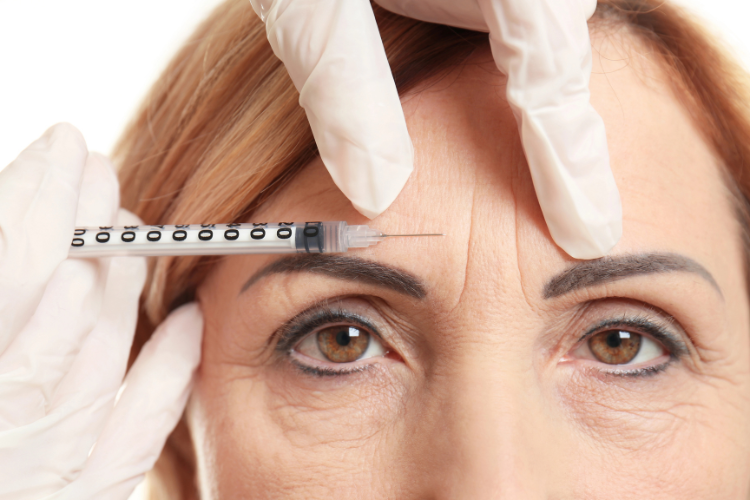
Neuromodulators like Botox, Dysport, and Xeomin work by temporarily relaxing the muscles responsible for expression lines. While the product is highly effective at stopping the muscle movement that creates a wrinkle, it does not magically repair the texture of the skin sitting on top of that muscle.
Imagine a piece of silk fabric versus a piece of crumpled, dry construction paper. If you lay the silk over a smooth surface, it looks flawless. If you lay the dry, stiff paper over that same surface, the creases remain visible even if the underlying structure is flat.
This is exactly how Botox behaves on dry skin. If your skin is dehydrated and lacks elasticity, static lines will remain prominent despite the muscle being paralyzed.
Patients with well-hydrated skin often get a noticeable glow after Botox because the relaxed muscle allows the supple skin to remain flat, reflecting light more evenly. In contrast, dry skin can appear dull and matte, which can make treatment results appear less impressive or even lead a patient to believe the product “didn’t work.”
Also Read: Cosmetic Injectables: The Science Behind Botox & Xeomin
How Dry Skin Affects Dermal Fillers
The relationship between hydration and dermal fillers is even more direct. Most modern fillers, such as Juvéderm and Restylane, are made of Hyaluronic Acid (HA). HA is a naturally occurring molecule in the body that is hydrophilic, meaning it loves water
For a filler to look natural, it must integrate seamlessly into the surrounding tissue. In a hydrated environment, the HA molecules attract moisture from the body, helping the filler soften and settle into a smooth, supple cushion. If the skin and underlying tissues are chronically dry, the filler may struggle to integrate properly. This can lead to:
- Visible Texture Irregularities – The filler can look more lumpy or distinct under the skin because there isn’t enough moisture to blend it in.
- Perceived Shortened Longevity – When the body is dehydrated, it may more aggressively rob moisture from the HA filler, potentially leading to a faster breakdown of the product or a loss of the initial plumping effect.
Injection Comfort and Healing in Dry Skin
Dry skin is often more sensitive and prone to micro-tears. When the skin barrier is compromised, nerve endings are more exposed to the environment, which can make the injection process more uncomfortable.
Furthermore, dry skin tends to heal more slowly. Proper hydration is necessary for cellular repair processes that occur after needle penetration of the skin.
Patients with significant dryness may experience more post-treatment flaking, redness, or irritation. By stabilizing the skin’s moisture levels before an appointment, you facilitate a smoother recovery and reduce the likelihood of prolonged inflammation.
Seasonal Dryness and Injectable Timing
The calendar plays a significant role in skin health. During the winter months, low humidity and indoor heating create a perfect storm for skin dehydration. This seasonal dryness can shift how your injectables look from month to month.
Many patients find that their filler looks deflated during the coldest weeks of the year, not because the filler has disappeared, but because the skin surface has become so dry that it has lost its luster and plumpness.
Adjusting your treatment plan, i.e., incorporating more surface-level hydration treatments during the winter, can help maintain the visual integrity of your injectables year-round.
Preparing Dry Skin Before Injectables
If you are planning an injectable treatment, conditioning your skin in the weeks leading up to your appointment is a wise investment. Think of this as prepping a wall before you paint it; the better the surface, the better the finish.
| Strategy | Benefit |
| Topical HA Serums | Pulls moisture into the upper layers of the skin. |
| Ceramide Creams | Repairs the skin barrier to prevent water loss. |
| Internal Hydration | Increases the water available for HA fillers to absorb. |
| Avoiding Actives | Stopping retinols 3-5 days prior reduces sensitivity. |
In cases of severe dryness, your provider might recommend delaying a filler treatment by a week or two to focus on intensive barrier repair. This approach makes certain that the results are worth the investment.
Combining Skin Treatments With Injectables
To achieve the best possible results, many aesthetic experts recommend a “multimodal” approach. This means combining injectables with treatments that specifically target skin quality:
- HydraFacials: A HydraFacial provides deep exfoliation and intense hydration, creating a perfect canvas for Botox.
- Microneedling: This improves skin elasticity and thickness, allowing Botox to look smoother on the surface.
- Skin Boosters: Products like Skinvive are designed specifically to hydrate the skin from within, acting as a bridge between traditional skincare and dermal fillers.
By treating the skin and the underlying structure simultaneously, you achieve a level of rejuvenation that neither can provide alone.
Also Read: Combining Botox, Fillers, and Skincare: The Smart Med Spa Strategy
Better Skin, Better Injectable Results
Botox and fillers are designed to enhance your appearance, but they cannot replace the health of your skin. Injectables work best when they are integrated into a holistic beauty regimen that prioritizes a strong skin barrier and deep hydration.
By addressing dry skin before you sit in the injector’s chair, you verify that your skin is prepared to heal quickly and showcase your results beautifully.
Remember, the most expensive filler in the world cannot hide the texture of unhealthy skin. Treat your skin with care, keep it hydrated, and your injectable results will reflect that effort with a smoother, longer-lasting, and more radiant glow.
For expert non-invasive injectables like Botox and Juvederm, book an appointment today at Elite Medical Spa of Parrish. Let us develop a customized treatment plan to keep you glowing into the new year and beyond.