 Text: 941-666-4638
 Call: (941) 264-7770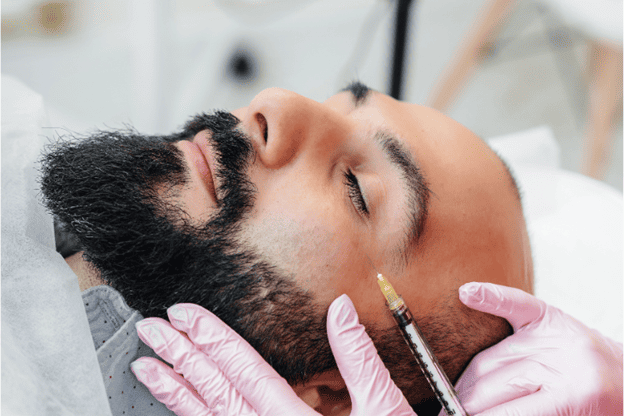
When to Choose Dermal Fillers Instead of Neurotoxins
In the med spa world as well as the broader self-care culture, Botox is often treated as shorthand for injectable facial rejuvenation. Yet relaxing a muscle cannot restore facial volume that has been lost through aging, genetics, weight changes, or the natural redistribution of facial fat and soft tissue over time.
Many of our patients in Parrish and the surrounding areas notice that their primary concerns are not only the lines that appear when they smile or frown, but also a gradual hollowing in the cheeks, thinning of the lips, or deeper folds that remain visible even when the face is at rest. In these situations, dermal fillers are generally more appropriate than neurotoxins like Botox or Xeomin.
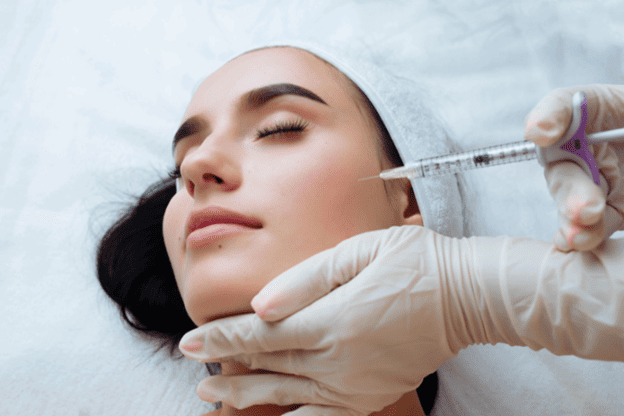
Dermal fillers address volume loss, hollowing, deeper static folds, thin lips, or insufficient facial definition. Neurotoxins primarily address wrinkles created by repeated muscle movement. That said, some patients will benefit from both approaches used together.
At Elite Medical Spa of Parrish, injectables are planned around individual facial anatomy and your cosmetic goals versus a one-size-fits-all product choice. A careful consultation helps identify whether the visible change is driven mainly by muscle activity, by loss of structural support, or by both. Keep reading to learn when dermal fillers are the better choice for facial rejuvenation.
Fillers vs. Neurotoxins
Neurotoxins and dermal fillers work through entirely different mechanisms and therefore solve different problems:
Neurotoxins like Botox and Xeomin temporarily reduce activity in targeted facial muscles. When a muscle contracts repeatedly over years, the overlying skin folds into lines. By limiting that contraction for a period of months, the skin has a chance to smooth. The most common treatment areas are the forehead, the frown lines between the brows (often called the “11s”), and the crow’s feet at the outer corners of the eyes. Results are not immediate; they develop gradually as the muscle relaxes, typically reaching full effect within one to two weeks.
Dermal fillers restore or add volume and structural support beneath the skin. Aging, genetics, weight changes, and the gradual redistribution of facial fat can reduce structural support and alter facial contours over time. Fillers can replace that lost volume or enhance areas like the cheeks or lips that patients wish to define more clearly. Elite offers a range of products including Juvéderm, Radiesse, and Belotero. Selection depends on the treatment area, the thickness of the tissue, the desired firmness or softness of the result, and the expected longevity.
A common misconception is that these injectables are interchangeable. Relaxing a muscle does not replace lost fat or soft-tissue support. Adding filler does not stop the muscle contractions that create a dynamic wrinkle. The practical distinction is straightforward: movement-related wrinkles usually point toward a neurotoxin; volume or structure-related concerns usually point toward filler. Treating the wrong cause with the wrong product can lead to underwhelming results or an unnatural appearance.
Also Read: How Healthy Skin Supports Better Injectable Results
When Should You Choose Dermal Fillers Instead?
| Concern | Often Considered |
|---|---|
| Forehead expression lines | Neurotoxin |
| Frown lines | Neurotoxin |
| Crow’s feet | Neurotoxin |
| Cheek volume loss | Filler |
| Thin or underdefined lips | Filler |
| Chin or jawline definition | Filler |
| Marionette or nasolabial folds | Filler or combination |
| Multiple aging mechanisms | Combination plan |
Individual assessment determines the final recommendation. Skin quality, facial proportions, prior treatments, and overall goals all influence the plan. What works well for one patient may be less suitable for another with different anatomy or different priorities. Consider dermal fillers when the dominant goal is restoring or enhancing volume and contour rather than simply reducing muscle activity. For example:
Restoring cheek volume
Midface volume loss is one of the earliest and most noticeable signs of facial aging. As the cheek fat pads diminish and descend, the face can appear flatter, the under-eye area more hollow, and the nasolabial folds deeper. Strategic placement of filler in the midface can re-establish structural support, create a subtle lift, and restore a more balanced contour. The result is often a refreshed appearance without looking “filled.”
Enhancing lips
Lips tend to lose volume and definition with age. The border can become less distinct, vertical lines may form, and overall proportion relative to the rest of the face can change. Fillers allow precise improvement in volume, shape, border definition, and symmetry. Treatment is always tailored to the patient’s existing anatomy and the degree of enhancement desired so that the lips remain in harmony with the rest of the face.
Softening deeper folds
Nasolabial folds (the lines that run from the nose to the corners of the mouth) and marionette lines (the lines that run downward from the corners of the mouth) frequently develop from a combination of volume loss and structural change. When these folds remain visible even when the face is completely relaxed, filler can soften their appearance by restoring volume in carefully selected areas. In many patients, addressing midface volume first improves facial support and naturally reduces the prominence of the folds.
Improving facial contours
The chin and jawline contribute significantly to overall facial balance. Additional projection or definition along these areas can refine the profile and create a stronger, more defined lower face when anatomy and goals support it. Fillers formulated for structural support are typically chosen for these regions.
Addressing selected under-eye hollowing
In carefully selected candidates, filler can reduce the appearance of hollow tear troughs and the shadow they create. This area is anatomically delicate; product choice, placement depth, and technique must be precise. Not every patient is a candidate, which is why thorough assessment is essential before treatment. Patients with prominent under-eye bags, significant skin laxity, or certain anatomical features may be better served by other treatment approaches.
Also Read: How Facial Treatments and Injectables Work Together to Improve Skin Quality and Structure
When Combining Fillers and Neurotoxins Makes More Sense
Facial aging rarely involves only one mechanism. Muscle activity, volume loss, and changes in skin quality frequently occur together. A forehead that shows both dynamic lines and residual creases at rest, or a midface that has lost volume while the lower face develops folds, often responds better to a coordinated plan than to either product used in isolation.
Neurotoxins can soften movement-related lines while fillers restore selected volume and structural support in complementary areas. When several facial zones or aging processes need attention at the same time, a combination injectable approach, sometimes referred to as a liquid facelift, may be appropriate. Elite Medical Spa of Parrish offers combination injectable treatments designed to produce balanced, natural-looking results rather than treating every line with the same product.
Success depends on facial assessment, attention to proportion, conservative dosing and placement, and injector expertise. The goal is harmony across the face, not the maximum amount of product in any single area. An experienced injector evaluates how changes in one region affect adjacent regions and plans treatment accordingly. Conservative initial dosing with the option to refine at a follow-up visit is often preferable to an aggressive single session.
Where to Get Expert Dermal Fillers in Parrish
Dermal fillers are generally the more appropriate choice when the concern centers on lost volume, hollowing, facial contours, or deeper static folds. Neurotoxins such as Botox and Xeomin are better suited to wrinkles driven primarily by repeated muscle movement. Many patients ultimately benefit from a customized combination rather than exclusive use of one category.
Neither option is universally superior. The right treatment depends on the specific cause of the visible change and on careful evaluation of facial anatomy and goals. A thoughtful consultation remains the most reliable way to match the injectable to the problem it is intended to solve.
Schedule a personalized injectable consultation with Elite Medical Spa of Parrish to determine which approach or combination fits your facial anatomy and aesthetic objectives.
Also Read: Planning Cosmetic Treatments for Long-Term Results
Frequently Asked Questions
What is the difference between dermal fillers and neurotoxins?
Fillers add or restore volume beneath the skin. Neurotoxins temporarily reduce targeted muscle activity that produces dynamic wrinkles. They address different causes of facial aging and are not interchangeable.
Are dermal fillers better than Botox?
Not universally. Fillers generally suit volume and contour concerns, while Botox-type treatments are designed primarily for movement-related wrinkles. The better choice depends on the specific concern and facial anatomy.
How long do fillers and neurotoxins last?
Duration varies by product, treatment area, dose, metabolism, and individual response. Both typically require maintenance rather than providing permanent results. Exact timelines cannot be guaranteed.
Are dermal fillers safe?
Fillers have established cosmetic uses but carry risks ranging from temporary swelling and bruising to rare serious complications such as vascular events. Treatment should be performed by an appropriately qualified injector with strong facial-anatomy knowledge and complication-management protocols.
Can dermal fillers and neurotoxins be combined?
Yes. When both volume loss and dynamic wrinkles are present, an experienced provider may recommend combining them for balanced facial rejuvenation. Many patients achieve more harmonious results with a coordinated plan than with either product alone.
Disclaimer: This article is for educational purposes only and does not replace clinical advice from a licensed skincare professional.