 Text: 941-666-4638
 Call: (941) 264-7770
How Cheek Filler Can Restore Structure After Facial Volume Loss
You may notice your cheeks looking flatter in photographs or shadows becoming more noticeable beneath your eyes, even though your weight hasn’t changed. Perhaps the fullness that once defined your cheekbones has gradually diminished, making your face look more tired than you feel. These changes often develop slowly, becoming more noticeable as the natural aging process affects the deeper structures of the face.
Cheek filler can help restore lost midface volume, improve facial contours, and soften the hollow appearance that sometimes develops with age. Rather than simply making the cheeks larger, treatment focuses on replacing volume where it has diminished and improving how the cheeks relate to the rest of the face.
At Elite Medical Spa of Parrish, we help patients explore nonsurgical options for facial rejuvenation. If you’re noticing changes in your cheek definition or midface fullness, understanding what filler can accomplish—and where its limitations lie—can help you make a more informed treatment decision.
What Causes Facial Volume Loss in the Cheeks?
Facial aging involves much more than wrinkles. Beneath the skin, several gradual changes affect the shape and appearance of your cheeks.
The fat compartments that provide fullness to the midface can shrink or shift over time. Collagen and elastin production also decline, reducing the skin’s firmness and elasticity. Even the underlying facial bones change with age, affecting how the surrounding tissues are supported.
Together, these changes may create:
- Hollow or flattened cheeks
- Less prominent cheekbone definition
- Deeper shadows beneath the eyes
- More noticeable nasolabial folds, the creases extending from the nose toward the corners of the mouth
- A heavier-looking lower face as midface volume diminishes
You may notice one of these changes before the others. Some patients lose fullness primarily in the upper cheeks, while others develop hollowing closer to the center of the face.
Genetics, weight changes, sun exposure, and overall health can influence how these changes develop. That’s why two patients of the same age may have very different concerns about facial volume.
Facial Volume Loss vs. Sagging Skin
Volume loss and skin laxity are related, but they’re not the same problem.
If your cheeks have become flatter because you’ve lost underlying fullness, dermal filler may help restore their shape. If the main concern is significantly loose or sagging skin, adding volume may not produce the improvement you’re hoping for.
In some cases, excessive filler can actually make the face appear heavier rather than more lifted.
During your consultation, we evaluate whether your concerns are primarily related to volume loss, skin laxity, or a combination of changes. This distinction helps us determine whether cheek filler is appropriate or whether another approach may be more beneficial.
Also Read: How Healthy Skin Supports Better Injectable Results
How Can Cheek Fillers Restore Facial Structure?
Cheek fillers are injectable products that add volume beneath the skin. When placed in appropriate areas of the midface, they can improve projection, soften hollow contours, and create a fuller, more defined appearance.
For patients experiencing age-related volume loss, the goal is often to restore some of the fullness that was previously present rather than create dramatically higher or more prominent cheekbones.
The placement of filler matters as much as the amount used. Adding volume to the wrong area can alter facial proportions or make the cheeks look overly rounded. Thoughtful treatment considers how the upper cheeks, lower eyelids, temples, and lower face relate to one another.
Restoring Fullness to Hollow Cheeks
When the cheeks lose volume, the midface may appear sunken or drawn. Strategically placed filler can replenish selected areas, helping the cheeks look fuller and reducing the appearance of hollowing.
The amount needed varies. Some patients may benefit from a relatively small correction, while more noticeable volume loss may require a different treatment plan.
We focus on the areas contributing most to your concerns rather than assuming that every patient needs the same amount of product.
Improving Cheekbone Definition
Cheek filler can also enhance contour when the cheekbones have become less prominent.
By restoring projection in selected areas, treatment may improve how light falls across the face and create a more defined transition between the cheeks and surrounding features.
This doesn’t mean changing your natural bone structure. The filler adds volume to the soft tissues, creating a visible contour change without altering the underlying bone.
Softening the Appearance of Nasolabial Folds
Loss of midface volume can make the folds between the nose and mouth more noticeable.
In some patients, restoring cheek fullness may modestly improve the appearance of these folds by changing the contours of the midface. However, cheek filler doesn’t directly eliminate nasolabial folds, and deeper creases may require a separate treatment approach.
It’s important to understand what improvement is realistic before deciding where filler should be placed.
Choosing the Right Cheek Filler for Natural-Looking Results
Not all dermal fillers are designed to accomplish the same thing. Some provide structural support and projection, while others are better suited to softer contour changes or improving skin quality.
The right product depends on the degree of volume loss, the area being treated, your medical history, and the outcome you’re hoping to achieve.
Hyaluronic Acid Fillers for Cheek Volume
Hyaluronic acid is a substance naturally found in the body that helps tissues retain moisture. Hyaluronic acid-based dermal fillers are commonly used to restore facial volume and improve contours.
Certain products within the Juvéderm family are specifically designed for cheek augmentation and correction of age-related midface volume loss.
One advantage of hyaluronic acid fillers is that they can often be dissolved with an enzyme called hyaluronidase if correction is medically necessary or an adjustment is desired. However, dissolving filler is not risk-free and does not eliminate the possibility of serious injection complications.
Product selection should be based on the specific filler’s properties and approved uses, not simply the brand name.
For example, SKINVIVE by JUVÉDERM is intended to improve cheek skin smoothness rather than provide the structural volume restoration discussed here. It should not be confused with fillers designed for cheek projection.
Radiesse and Calcium Hydroxylapatite Fillers
Radiesse is another injectable filler used for selected facial volume and contour concerns. It contains calcium hydroxylapatite microspheres suspended in a gel carrier.
In addition to providing an immediate filling effect, calcium hydroxylapatite can stimulate collagen production over time. Its properties and treatment considerations differ from those of hyaluronic acid fillers.
Unlike hyaluronic acid fillers, Radiesse cannot be dissolved with hyaluronidase. This is an important distinction when discussing reversibility and treatment planning.
The choice between filler types should follow an individual assessment, including confirmation that the product is appropriate for the intended treatment area.
Why More Filler Isn’t Always Better
One of the most common concerns patients have is whether cheek filler will make their face look puffy or unnatural.
An overfilled appearance can occur when too much product is used or when volume is added without considering the patient’s existing facial proportions.
Restoring lost volume doesn’t necessarily require dramatic changes. For some patients, a modest amount of filler in carefully selected areas may provide the improvement they’re seeking.
We discuss the degree of correction you want and whether it can be achieved while maintaining proportions that suit your features.
Also Read: Juvederm vs. Radiesse for Facial Contouring: How Providers Decide Which Filler Fits Your Goals
Who Is a Good Candidate for Cheek Filler?
Cheek filler may be appropriate if you’ve noticed hollowing, reduced cheek definition, or age-related volume loss and want to explore a nonsurgical option.
It may also appeal to patients who want a subtle improvement in midface contour without undergoing a surgical procedure.
However, candidacy depends on more than appearance alone. We consider your facial anatomy, skin quality, medical history, previous cosmetic treatments, and expectations.
Certain medical conditions, allergies, active infections, or other factors may make injectable treatment inappropriate or require postponement.
If significant skin laxity is the primary concern, filler alone may not provide the desired result. In those situations, we can discuss the limitations of treatment and whether another option deserves consideration.
What to Expect During Cheek Filler Treatment at Elite Medical Spa of Parrish
If you’re considering cheek filler for the first time, it’s natural to have questions about the injections, discomfort, and how you’ll look immediately afterward.
The process begins with a consultation so we can understand what bothers you and determine whether restoring midface volume is likely to help.
Your Facial Assessment and Treatment Plan
We examine your cheek contours, facial proportions, and the areas where volume has changed. We’ll also review your medical history, previous filler treatments, and any concerns that may affect treatment safety.
This is an opportunity to discuss how much change you want. Some patients prefer a subtle restoration of their previous cheek shape, while others are interested in a more noticeable definition.
We’ll explain the available treatment options, expected benefits, potential complications, and limitations before proceeding.
During the Injections
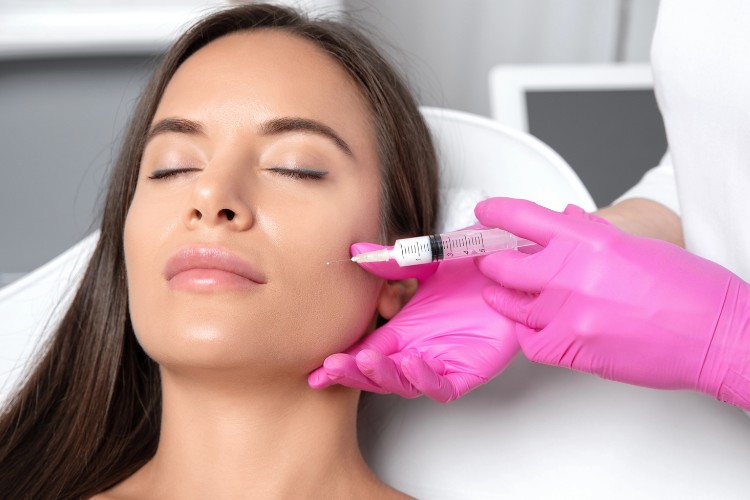
Cheek filler is administered through a series of carefully planned injections. The specific technique, injection sites, and amount of product depend on the treatment plan.
You may feel pressure, a brief pinch, or mild discomfort during the procedure. Some fillers contain lidocaine to improve comfort, and additional comfort measures may be considered when appropriate.
The treatment itself is typically relatively brief, although appointment length varies based on the areas being addressed and the complexity of the plan.
Immediately After Treatment
You may notice a change in cheek fullness soon after the injections, but the initial appearance isn’t necessarily the final result.
Temporary swelling can make the cheeks look fuller than expected. Mild bruising, tenderness, or redness around the injection sites may also occur.
We provide aftercare instructions and explain what changes are expected during recovery, along with symptoms that require prompt medical attention.
Recovery, Results, and How Long Cheek Fillers Last
One reason patients consider cheek filler is that it can provide visible improvement without the recovery associated with surgery. Still, injectable treatments have a healing period, and it’s important to allow time for swelling to settle.
What Is Recovery Like After Cheek Filler?
Mild swelling, bruising, and tenderness are common after treatment. These effects often improve within several days, although some patients experience swelling or bruising for up to two weeks or longer.
During the initial recovery period, your cheeks may feel firmer or look slightly uneven because of swelling. The appearance typically becomes more settled as the tissues recover.
Follow your provider’s aftercare instructions, including recommendations about exercise, pressure on the treated areas, and skincare.
When Will You See Your Final Results?
Hyaluronic acid fillers provide an immediate volumizing effect, but early swelling can temporarily change the appearance of the cheeks.
For many patients, results are easier to evaluate after approximately two weeks, once most initial swelling has resolved. Some changes may continue to settle beyond that point.
Calcium hydroxylapatite fillers may provide an immediate contour improvement, with additional collagen-related changes developing gradually.
Your follow-up recommendations will depend on the product used and your individual response.
How Long Does Cheek Filler Last?
Cheek filler longevity varies considerably by product, treatment area, and individual factors.
Some hyaluronic acid fillers provide results for several months, while certain products designed for the cheeks may maintain a visible effect for a year or longer. Calcium hydroxylapatite fillers such as Radiesse have different longevity characteristics and may also provide effects lasting a year or more in selected patients.
These timelines are estimates, not guarantees. Your body gradually processes filler material, and the visible effect may diminish over time.
Maintenance treatments can be considered when appropriate, but they shouldn’t follow an automatic schedule without reassessing your facial contours and treatment goals.
What Are the Risks of Cheek Filler?
Dermal fillers are medical treatments, and even when performed by qualified professionals, complications are possible.
Common temporary side effects include swelling, bruising, redness, and tenderness. Other potential problems include lumps, asymmetry, infection, and delayed inflammatory reactions.
Rare but serious complications can occur if filler enters or compresses a blood vessel. Vascular occlusion may interfere with blood supply and cause tissue injury. In extremely rare cases, inadvertent injection into a blood vessel can lead to vision loss, blindness, or stroke.
Seek immediate medical attention if you develop severe or increasing pain, unusual blanching or mottled skin discoloration, vision changes, or neurological symptoms during or after treatment. Vision changes and stroke-like symptoms are medical emergencies.
Understanding these risks is an essential part of informed consent. During your consultation, we discuss potential complications and the steps involved in responding to concerning symptoms.
Also Read: How to Choose the Right Medical Spa in Parrish for Your Skin Care Needs
Explore Cheek Filler Treatment in Parrish, Florida
If your cheeks have gradually lost fullness, you may not need a dramatic change to feel more comfortable with your appearance. Restoring volume in selected areas can improve cheek contours and help address some of the changes that occur with facial aging.
At Elite Medical Spa of Parrish, we take an individualized approach to facial rejuvenation, beginning with an assessment of your concerns and the results you’re hoping to achieve. We’ll help you understand whether cheek filler is an appropriate option and what treatment can realistically accomplish.
Schedule a consultation with Elite Medical Spa of Parrish to discuss cheek filler for facial volume loss and explore your nonsurgical facial rejuvenation options.
Frequently Asked Questions
How Can Cheek Fillers Restore Facial Volume?
Cheek fillers add volume to selected areas of the midface, helping improve hollow contours and restore cheek definition. When appropriately placed, they can create a fuller, more supported appearance. Results depend on the type of filler, the degree of volume loss, and the treatment plan.
What Is the Best Filler for Hollow Cheeks?
There isn’t one filler that’s best for every patient. Certain hyaluronic acid products within the Juvéderm family are commonly used for midface volume restoration, while calcium hydroxylapatite fillers such as Radiesse may be considered for selected facial contour concerns. The appropriate choice depends on your anatomy, treatment goals, and the product’s intended use.
How Long Do Cheek Filler Results Last?
Results may last several months to a year or longer, depending on the filler product and individual response. Some hyaluronic acid fillers specifically designed for cheek augmentation have longer-lasting effects than others. Your provider can explain the expected duration of the product being considered and when reassessment may be appropriate.
Can Cheek Fillers Lift Sagging Skin or Only Restore Volume?
Cheek fillers primarily restore volume and improve facial contours. Replacing lost fullness may create a more supported appearance, but filler doesn’t directly tighten significantly loose skin or replace a surgical lift. If skin laxity is your main concern, another treatment may provide a more appropriate result.
What Are the Risks and Side Effects of Cheek Filler Treatment?
Temporary swelling, bruising, redness, and tenderness are common. Less frequent complications include lumps, asymmetry, infection, and delayed reactions. Rare but serious vascular complications can cause tissue injury, blindness, or stroke. Severe pain, unusual skin discoloration, or vision changes require immediate medical attention.
Where Can I Get Cheek Filler for Facial Volume Loss in Parrish, Florida?
Elite Medical Spa of Parrish offers consultations for patients interested in cheek filler and nonsurgical facial rejuvenation. During your visit, we can evaluate your facial volume concerns, discuss appropriate treatment options, and explain what results you may realistically expect.
Disclaimer: This article was written under the guidance of the professional team at Elite Medical Spa of Parrish and is intended for educational purposes only. The content contained herein does not constitute professional medical advice. Please speak with a licensed provider of cheek fillers like Juvederm and Radiesse before proceeding with treatment.